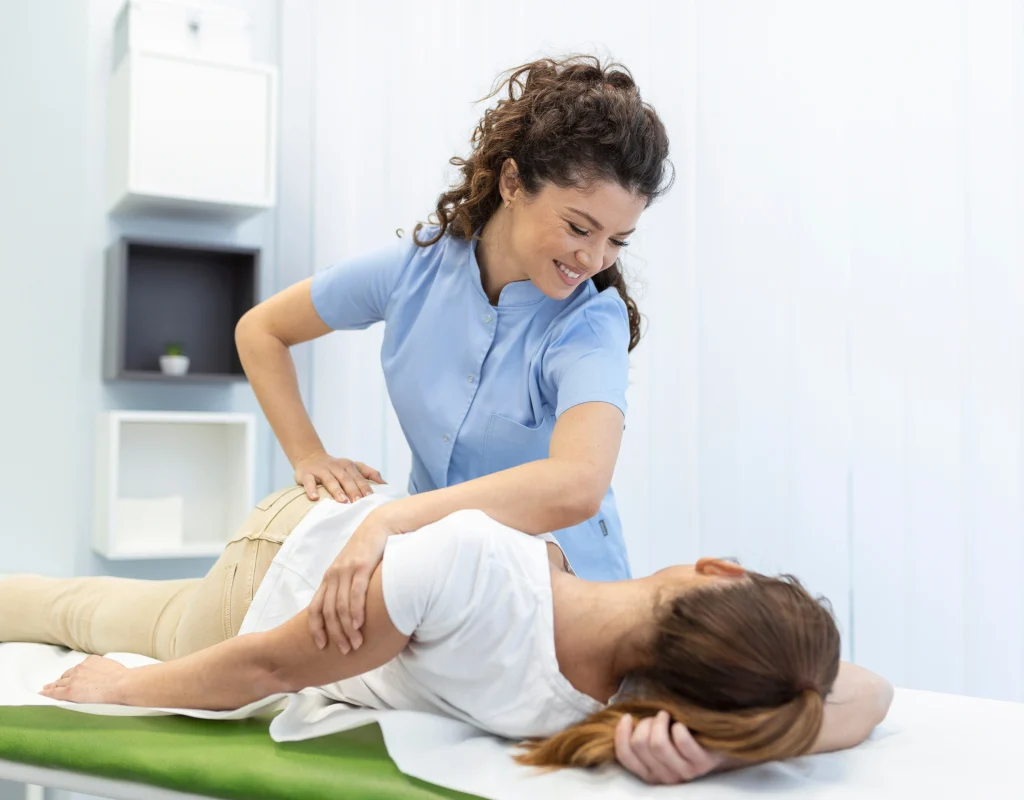
Neck pain does not usually disappear the moment symptoms start improving. In many cases, that is actually when real recovery begins. Pain reduction is only the first stage. The deeper problem often lies in how the neck moves, stabilises, and functions during daily activity.
This is where cervical spine exercise becomes an essential part of recovery. It is not simply about stretching the neck or doing random movements found online. It is a structured rehabilitation process designed to restore coordination, strength, and control in the cervical region.
Many people misunderstand this phase of recovery. Some people push too hard and irritate the neck again. Others avoid movement completely because they fear pain will return. Both approaches can slow down recovery significantly.
Proper rehabilitation focuses on gradual progression, controlled movement, and long term stability rather than quick fixes.
Why Cervical Spine Exercise Becomes Necessary After Neck Pain
The cervical spine plays a constant role in supporting the head and allowing movement in multiple directions. Because of this, it is highly sensitive to changes in posture, muscle balance, and daily habits.
When pain develops, the body automatically protects the area. Muscles tighten, movement reduces, and the nervous system limits motion to prevent further irritation. This is a natural protective mechanism.
However, once pain starts improving, the body does not automatically reset to normal function. Many people remain in a protective movement pattern without realising it.
This can lead to long term issues such as stiffness, weak support muscles, and poor movement control.
Without rehabilitation, the neck often adapts incorrectly instead of recovering fully.
What Happens Before Exercise Actually Starts
Before any rehabilitation begins, a detailed assessment is required. This is one of the most important parts of recovery because it determines the entire treatment direction.
The physiotherapist evaluates how the neck moves, which positions cause discomfort, and whether muscle imbalance or joint restriction is present. Posture is also assessed because it plays a major role in neck strain.
Daily habits are reviewed as well since repetitive strain from work, device use, and sleep posture often contribute to the problem.
At MyPro PHYSIO, this stage is used to create a personalised recovery plan instead of giving a general exercise sheet. This ensures treatment matches the actual cause of the issue.
Early Phase of Cervical Spine Exercise
At the beginning of rehabilitation, exercises are very gentle and controlled. The main goal is to reintroduce movement safely without triggering discomfort.
The neck is usually still sensitive at this stage, so movements are kept within a comfortable range and performed slowly.
Early exercises are designed to reduce stiffness, improve circulation, and restore basic mobility. They also help rebuild confidence in movement.
Common early movements include:
- Gentle neck rotation within pain free range
- Slow controlled side tilting
- Breathing coordination with posture awareness
- Light mobility drills to reduce stiffness
These movements may seem simple, but they play a critical role in preparing the neck for more advanced rehabilitation.
Consistency is more important than intensity because the goal is to retrain movement patterns gradually.
How Cervical Spine Exercise Progresses Over Time
As the body adapts, exercises gradually become more structured and functional. This is where rehabilitation becomes more active and focused on long term stability.
At this stage, the goal is not just movement but control, strength, and endurance.
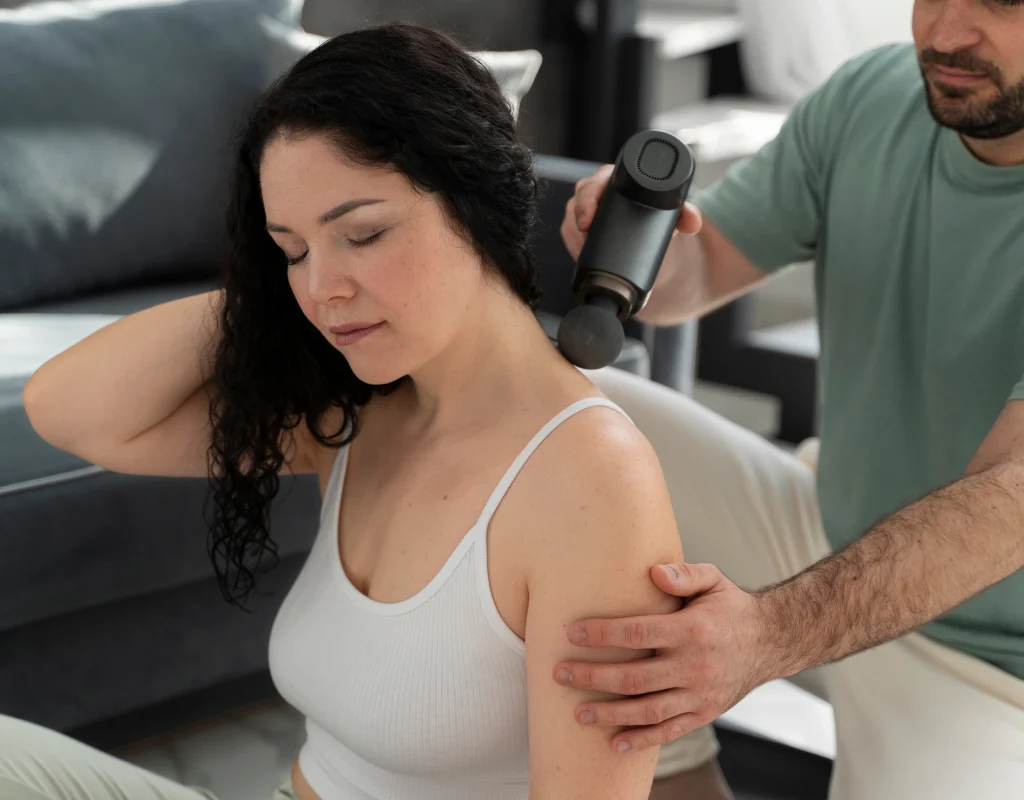
The neck does not function independently. It relies heavily on surrounding muscles such as the shoulders and upper back for support. If these areas are weak, the neck continues to experience unnecessary strain.
Progression usually includes:
- Deep neck muscle activation training
- Shoulder and upper back strengthening exercises
- Postural endurance training for long sitting or standing
- Controlled resistance based movements to improve stability
Each progression step is introduced carefully based on how the body responds.
Rushing this stage can lead to setbacks because the muscles and joints need time to adapt properly.
Why Posture Training Is Essential for Recovery
Posture is one of the most important factors in neck health, but it is often overlooked during recovery.
Even if exercises are performed correctly, poor posture during daily activities can continue to place stress on the cervical spine.
Most neck problems are not caused by a single event but by repeated strain over time.
Common contributing habits include long hours of screen use, forward head posture, slouched sitting positions, and poor sleeping support.
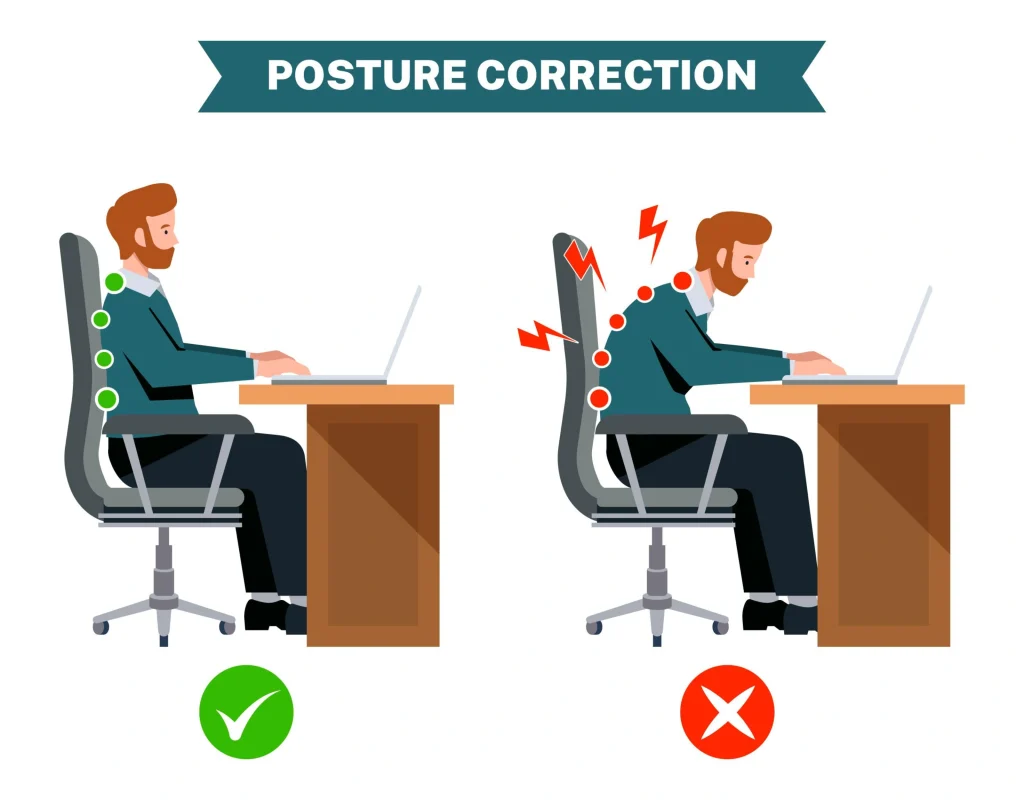
These habits may seem minor, but they create continuous pressure on the neck muscles and joints.
Improving posture does not mean maintaining perfect alignment all the time. Instead, it means reducing repeated stress throughout the day and creating awareness of how the neck is being used.
Mid Recovery Phase and Functional Strength Development
At this stage of recovery, most people begin to experience clearer improvements. Pain becomes less frequent, movement feels smoother, and daily activities are easier to manage.
This phase focuses on building functional strength and endurance rather than just mobility.
The goal is to prepare the neck for real life demands such as working, driving, and prolonged sitting.
Training may include:
- Strengthening neck stabilising muscles
- Improving endurance during long periods of sitting or standing
- Enhancing coordination between neck, shoulder, and upper back muscles
- Gradual return to normal physical activity levels
Although progress is noticeable, it is still important to increase activity slowly. The body is still adapting and needs controlled progression to avoid relapse.
When People Start Feeling Normal Again
Recovery does not happen suddenly. It develops gradually until the body starts functioning normally again.
Most people reach this stage when pain is no longer constant, neck movement feels natural, sleep quality improves, and daily activities are no longer limited.
However, this stage is not the end of recovery. It is actually the transition into long term maintenance.
Stopping exercises too early is one of the main reasons neck pain returns. The body still needs reinforcement to maintain proper movement patterns and stability.
Long Term Role of Cervical Spine Exercise
Even after recovery, exercises continue to play an important role in maintaining neck health and preventing recurrence.
At this stage, the focus shifts from rehabilitation to prevention and maintenance.
Regular movement helps the neck stay flexible, supports posture, and reduces stiffness caused by sedentary habits.
Long term benefits include:
- Maintaining cervical mobility and flexibility
- Preventing recurrence of neck pain
- Supporting posture during daily activities
- Reducing strain from prolonged sitting or screen use
Over time, these exercises become part of a healthy lifestyle rather than a structured treatment plan.
How MyPro PHYSIO Supports Recovery
At MyPro PHYSIO, cervical rehabilitation is approached as a structured and personalised process.
Each patient begins with a detailed assessment to identify the root cause of the problem. From there, a step by step recovery plan is created based on individual needs.
The focus is not only on reducing symptoms but also on restoring proper movement patterns and preventing future issues.
This approach ensures that recovery is not temporary but sustainable in the long term.
Final Thoughts on Cervical Spine Exercise
Neck recovery is not just about reducing pain. It is about rebuilding how the cervical spine functions in everyday life.
Cervical spine exercise plays a key role in restoring movement, improving strength, and preventing long-term recurrence.
The most important factor in recovery is consistency combined with proper progression. Without these, symptoms can easily return even after improvement.
Early structured rehabilitation often leads to better long-term outcomes and improved quality of life.
Take Action
If you are experiencing ongoing neck pain or stiffness, early rehabilitation can help prevent long term complications and improve recovery outcomes.
Visit MyPro PHYSIO to receive a detailed assessment and a personalized cervical spine exercise program tailored to your condition. With proper guidance, recovery becomes safer, more effective, and more sustainable.