Musculoskeletal pain is one of the most common reasons people seek treatment today, affecting individuals across all age groups and lifestyles. It can develop gradually due to poor posture and repetitive strain, or suddenly from injuries and accidents. When these issues involve bones, joints, ligaments, or muscles, a more specialised and structured approach is required to ensure proper recovery.
This is where orthopedic physiotherapy plays an important role. Instead of focusing only on short-term pain relief, it aims to identify the root cause of the problem and restore normal movement patterns. Over time, this approach not only reduces discomfort but also improves strength, stability, and long-term joint health.
What Orthopedic Physiotherapy Actually Means
Orthopedic physiotherapy is a specialised area of rehabilitation that focuses on conditions affecting the musculoskeletal system. This includes bones, joints, muscles, ligaments, and tendons that are essential for movement and physical function. It is commonly used for injuries such as fractures, ligament tears, arthritis, and post-surgical recovery.
Treatment is based on clinical assessment rather than general exercise routines. Each program is carefully designed according to the patient’s condition, movement limitations, and recovery goals. This ensures that rehabilitation is targeted, safe, and effective at every stage.
Common Conditions Treated
Musculoskeletal problems can affect different parts of the body and vary in severity. Some conditions may develop over time due to lifestyle habits, while others occur suddenly due to injury. Rehabilitation is adapted based on the type and stage of the condition.
Common conditions include:
- Knee injuries such as ACL tears and meniscus damage
- Shoulder problems including rotator cuff injuries
- Lower back pain and spinal conditions
- Arthritis and joint degeneration
- Post-fracture stiffness and mobility limitations
Each condition requires a different treatment strategy within orthopedic physiotherapy, ensuring that recovery is personalised and appropriate.
What Happens During the First Assessment

The first session is a detailed assessment that focuses on understanding the patient’s condition thoroughly. The physiotherapist gathers information about symptoms, pain patterns, lifestyle habits, and previous injuries. This step is essential for identifying the root cause of the problem.
Physical examination follows, which may include movement testing, strength evaluation, posture analysis, and functional assessments. These tests help determine how the body is moving and where limitations exist. Based on these findings, a structured treatment plan is created.
Early Phase of Treatment and Pain Control
After assessment, treatment begins with managing pain and protecting the affected area. This phase is important because the body needs time to reduce inflammation and initiate healing. Movement is controlled carefully to avoid aggravating the injury.
Early interventions may include:
- Gentle joint mobilisation techniques
- Soft tissue release to reduce muscle tension
- Pain management methods such as cold or heat therapy
- Assisted movements to maintain mobility
This stage prepares the body for more active rehabilitation while preventing stiffness and further complications.
Restoring Movement and Flexibility
Once pain begins to decrease, the focus shifts to restoring movement and flexibility. Injuries often cause stiffness, which can limit function if not addressed properly. Controlled exercises are introduced to gradually improve range of motion.
These exercises are carefully progressed based on the patient’s tolerance and recovery stage. The aim is to restore natural movement without placing excessive strain on the injured area. This phase is a key part of orthopedic physiotherapy, as mobility is essential for full recovery.
Why Strength Training Is Essential
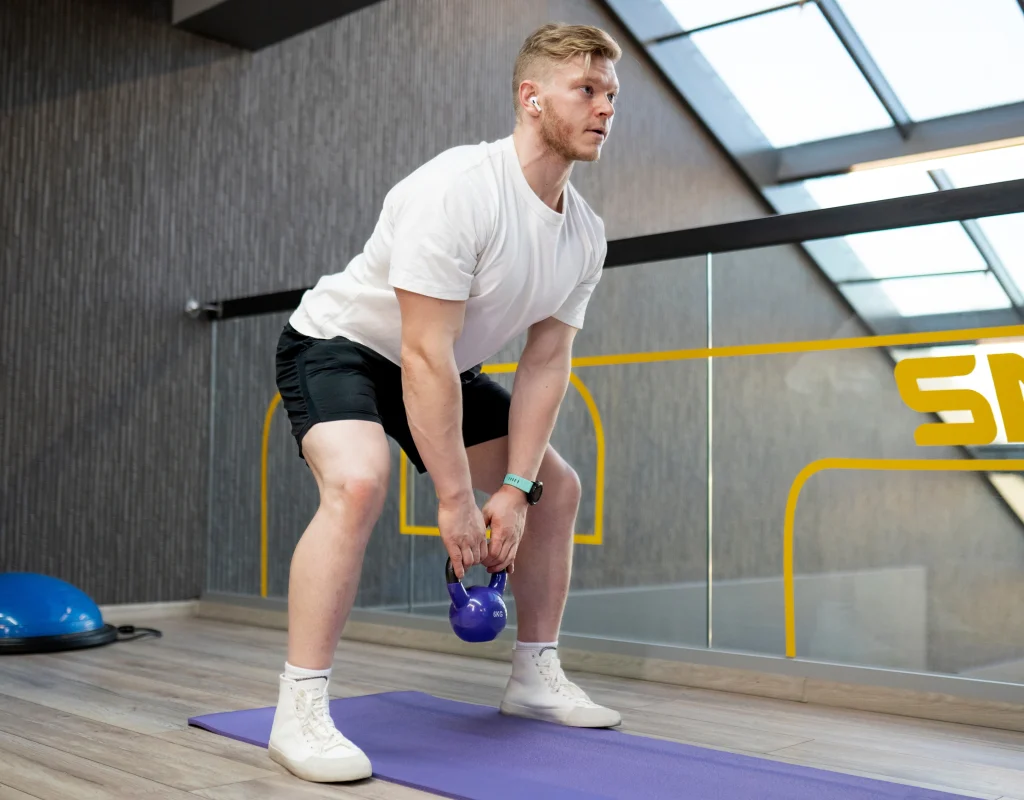
After mobility improves, strengthening becomes the next priority. Weak muscles can lead to instability, which increases the risk of re-injury. Strength training helps rebuild support around joints and improves overall function.
Common strengthening methods include:
- Resistance band exercises for controlled muscle activation
- Bodyweight training to improve functional strength
- Progressive weight training for advanced recovery stages
- Functional exercises that mimic daily activities
These exercises are introduced gradually and adjusted to ensure safe and steady progress.
The Role of Manual Therapy
Manual therapy is often used alongside exercise to enhance recovery. These hands-on techniques help improve joint mobility, reduce muscle tightness, and relieve discomfort. They also promote better circulation, which supports healing.
This approach is particularly useful in the early and mid-stages of recovery. When combined with exercise, it helps improve movement quality and speeds up rehabilitation outcomes.
Returning to Daily Activities Safely
As recovery progresses, patients begin to return to their normal daily routines. However, this must be done gradually to prevent setbacks. Activities are reintroduced step by step, starting with simple movements and progressing to more demanding tasks.
This staged progression helps the body adapt safely to increased activity levels. It also ensures that improvements are maintained over time. This principle is central to orthopedic physiotherapy, where long-term recovery is prioritised over quick results.
Preventing Future Injuries
Rehabilitation does not end once pain is reduced. Preventing future injuries is an important part of long-term recovery. Patients are guided on improving posture, movement patterns, and muscle balance.
This may include education on proper lifting techniques, ergonomic adjustments, and regular exercise routines. These preventive strategies help reduce strain on joints and muscles. Over time, they contribute to better overall physical health.
Why Recovery Time Varies
Recovery time varies depending on several factors. These include the severity of the injury, the patient’s age, overall health, and consistency in following the rehabilitation plan. Some conditions improve within weeks, while others may take months.
It is also important to understand that progress is not always linear. There may be periods of improvement followed by temporary setbacks. With proper guidance and consistency, long-term recovery is achievable.
Home-Based Support in Recovery
Recovery continues outside the clinic, especially during later stages. Patients are often given home exercise programs to maintain progress between sessions. This ensures that rehabilitation remains consistent.
Home-based practice also allows patients to apply what they have learned in real-life situations. It improves confidence and helps integrate recovery into daily routines. This combination of guided treatment and independent practice supports better outcomes.
Final Thoughts
Orthopedic conditions can significantly affect movement, comfort, and quality of life. However, with the right rehabilitation approach, recovery is both achievable and sustainable. It requires structured guidance, patience, and consistent effort.
Orthopedic physiotherapy provides a comprehensive pathway for recovery by addressing pain, movement, and function together. With proper care and commitment, patients can return to their daily activities safely and confidently while reducing the risk of future injuries.
CTA
If you are experiencing joint pain, injury, or recovering from surgery, early rehabilitation can make a significant difference. Starting treatment at the right time helps improve recovery speed and prevents long-term complications.
Visit MyPro PHYSIO to learn more and receive a personalised orthopedic physiotherapy plan designed to support safe, structured, and effective recovery.