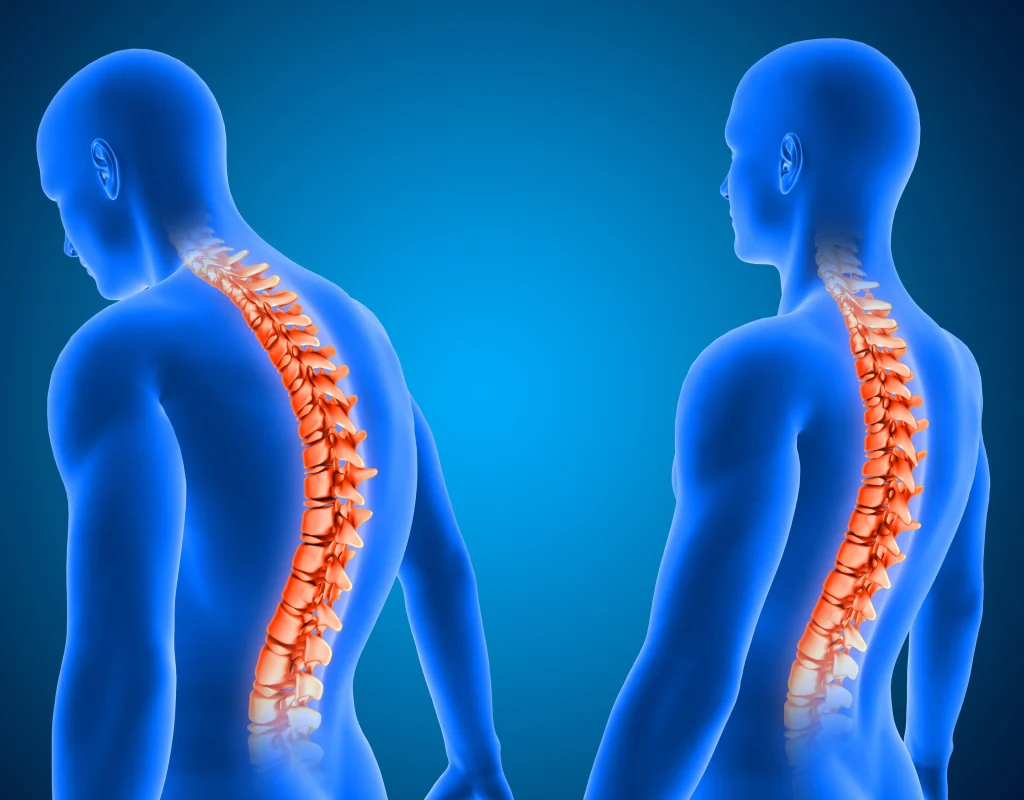
When you are diagnosed with a slipped disc, one question almost always comes up immediately: how long will it take to recover?
The recovery time for slipped disc is one of the biggest concerns because the condition does not just cause pain. It affects how you sit, how you move, how you sleep, and even how you go about your daily routine. Simple things like bending down, driving, or working at a desk can suddenly feel uncomfortable or even impossible.
Because of this, many people start searching for a clear timeline. They want reassurance that the pain will go away and that life will return to normal.
The good news is that in most cases, recovery is very possible without surgery. The challenge is that healing takes time and requires the right approach. It is not something that improves overnight, and the timeline can vary depending on how your body responds and how well you support the recovery process.
If you are still exploring your options, you can also refer to our complete guide on slipped disc treatment Malaysia to understand the different approaches available for managing this condition.arra
How Long Does It Actually Take to Recover
There is no single answer that applies to everyone. The recovery time for slipped disc depends on several factors, including the severity of the condition, your daily habits, and how early you start treatment.
That said, most people fall within a general recovery range.
- Mild cases may improve within 2 to 6 weeks
- Moderate cases usually take around 6 to 12 weeks
- More severe cases may take 3 to 6 months or longer
It is important to understand that recovery is not just about pain relief. True recovery also includes regaining strength, restoring movement, and preventing future episodes.
Some people feel better within weeks but still have underlying weakness. Others take longer but recover more completely because they follow proper rehabilitation.
Why Recovery Time Is Different for Everyone
You might wonder why one person recovers quickly while another takes months. The difference usually comes down to a few key factors.
First, the severity of the slipped disc plays a major role. A small disc bulge causes less nerve irritation and typically heals faster. A larger herniation that presses on nerves may take more time and structured care.
Second, the location of the disc matters. Lower back issues are more common and often affect daily movement more significantly, especially sitting and walking.
Third, your daily habits influence how quickly you recover. Sitting for long hours, poor posture, lack of movement, and high stress levels can all slow down healing without you realising it.
Finally, early intervention makes a big difference. People who start physiotherapy early often recover faster and with fewer complications compared to those who wait.
Understanding the Stages of Recovery
Recovery from a slipped disc is not a straight line. It happens in stages, and each stage has its own challenges and improvements.
Week 1 to 2: Acute Phase
This is usually the most painful and frustrating stage.
You may experience sharp pain, stiffness, or discomfort that radiates to other areas such as the legs or arms. Movement is limited, and even small actions like getting out of bed can feel difficult.
During this phase, inflammation is at its highest. Although it may not feel like progress is happening, your body has already begun the healing process.
The focus here is on:
- Managing pain
- Avoiding movements that worsen symptoms
- Allowing the body to stabilise
Week 2 to 4: Early Recovery
At this stage, you may begin to notice small improvements.
Pain starts to reduce slightly, and movement becomes easier. Daily activities may still feel uncomfortable, but they are more manageable than before.
This phase is important because it signals that healing is progressing.
You might start:
- Moving more comfortably
- Sitting for slightly longer periods
- Regaining confidence in basic movements
Week 4 to 8: Noticeable Improvement
This is where recovery becomes more obvious.
Pain is less frequent, and mobility improves significantly. Many people feel more confident returning to light daily activities.
During this stage:
- Movement becomes smoother
- Pain becomes less intense
- Daily routines start to feel normal again
This is also when many people begin to underestimate the condition and try to do too much too soon, which can slow progress.
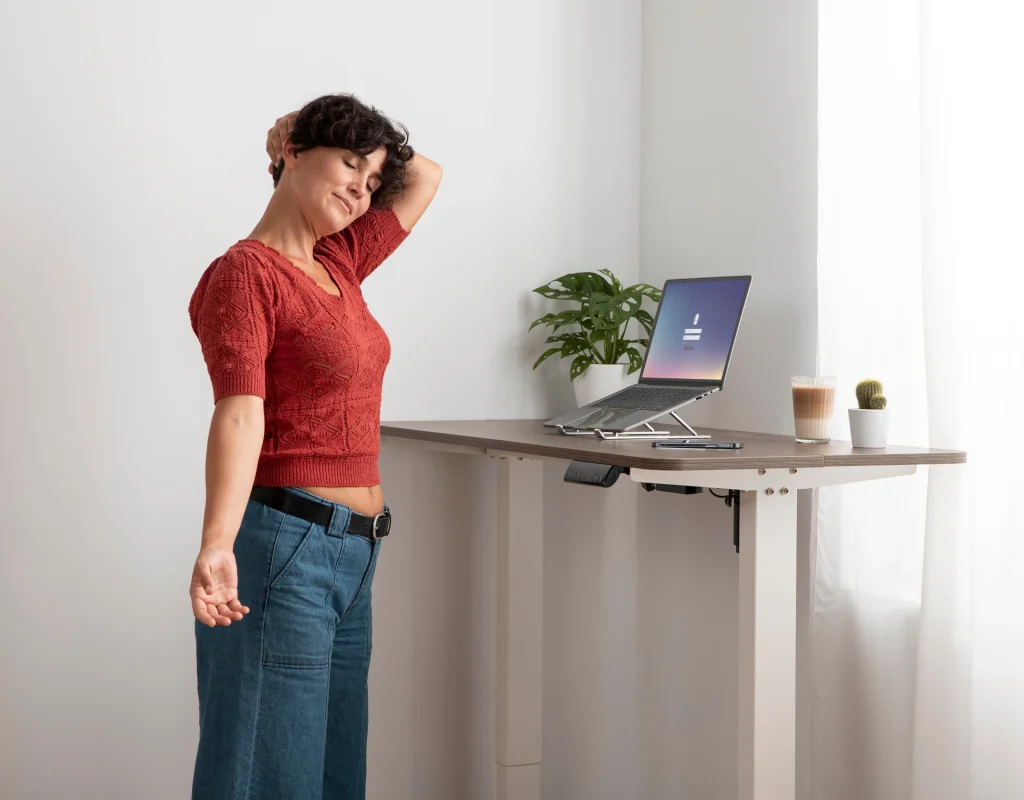
Week 8 to 12: Strength and Stability
By this stage, most people feel much better.
Pain is minimal or occasional, and movement feels more natural. You may be able to return to work, exercise lightly, and resume most daily activities.
However, recovery is still ongoing. The focus now shifts to rebuilding strength and stability to prevent future issues.
3 to 6 Months: Full Recovery
For most people, recovery stabilises during this period.
You can move freely, perform daily tasks without discomfort, and return to a normal lifestyle.
Even though the disc may not fully return to its original condition, your body adapts well enough that symptoms no longer affect your life.
Common Mistakes That Slow Down Recovery
Many people unknowingly delay their recovery by following habits that seem harmless.
Some of the most common mistakes include:
- Staying in bed for too long
- Avoiding all forms of movement
- Returning to heavy activity too early
- Ignoring posture while sitting or working
- Skipping exercises or physiotherapy
These actions can slow healing and sometimes even worsen the condition.
What Helps You Recover Faster
Recovery improves when you support your body in the right way.
Instead of focusing on doing more, focus on doing the right things consistently.
Helpful habits include:
- Gentle daily movement such as walking
- Maintaining proper posture
- Following a structured exercise routine
- Getting enough rest and sleep
- Managing stress levels
These small actions add up and make a significant difference over time.
The Importance of Physiotherapy
Physiotherapy is one of the most effective ways to reduce the recovery time for slipped disc.
It provides structured guidance that helps your body heal safely and efficiently.
With physiotherapy, you can:
- Improve movement without causing further injury
- Strengthen the muscles that support your spine
- Correct posture and movement habits
- Reduce pressure on the affected disc
- Prevent future episodes
Many people who follow a proper physiotherapy program recover faster and feel more confident returning to normal activities.
When Recovery Takes Longer
Not all cases follow a smooth timeline.
Recovery may take longer if:
- The disc herniation is severe
- Nerve compression is significant
- Treatment is delayed
- Daily habits continue to strain the spine
In these cases, it is important to reassess your recovery plan and seek professional guidance.
When You Should Seek Professional Help
You should not ignore symptoms that persist or worsen.
It is important to get professional help if:
- Pain does not improve after several weeks
- Symptoms become worse instead of better
- You experience numbness or weakness
- Daily activities become difficult
Early intervention can prevent complications and improve long term outcomes.
The Reality of Recovery
It is important to understand that recovery is not always linear.
Some days you may feel better, while other days symptoms may return slightly. This is a normal part of the healing process.
Progress is not measured day by day, but over weeks.
Staying consistent and patient is key to achieving long term recovery.
Final Thoughts
The recovery time for slipped disc varies from person to person, but most individuals recover within a few weeks to a few months when the condition is managed properly.
Recovery is not about rushing. It is about supporting your body, staying consistent, and making the right decisions at each stage.
Taking early action, maintaining good habits, and following proper guidance can make a significant difference in how quickly and effectively you recover.
If you are unsure about your condition or want a structured recovery plan, seeking professional help is one of the best steps you can take.
For personalised physiotherapy care in Malaysia, you can visit MyPro PHYSIO. Their team provides tailored treatment plans designed to help you recover safely, reduce pain, and return to your normal routine with confidence.
Disclaimer
This article is for educational purposes only. Recovery varies between individuals. Always consult a qualified healthcare professional for proper diagnosis and treatment advice.