Muscle tightness and movement restrictions are common issues that many people experience at some point in their lives. These problems often develop gradually due to repetitive movements, prolonged sitting, poor posture, or unresolved injuries. Over time, the affected tissues lose flexibility and begin to restrict normal movement patterns, leading to discomfort or reduced performance.
This is where active release therapy becomes a highly effective treatment approach. Instead of simply managing symptoms, it focuses on identifying the exact source of restriction within the soft tissues. By releasing these tight areas, the body can move more freely and efficiently, supporting both recovery and long-term physical health.
What Active Release Therapy Actually Means
Active release therapy is a specialised hands-on technique that targets soft tissues such as muscles, tendons, ligaments, and fascia. When these tissues are overused or injured, they can develop adhesions or scar tissue that restrict movement and create tension. These restrictions can interfere with normal muscle function and lead to pain during everyday activities.
What makes this technique unique is the combination of therapist pressure and patient movement. The physiotherapist applies controlled pressure to the affected area while guiding the patient through specific motions. This interaction helps break down adhesions more effectively than passive treatments alone.
Common Conditions Treated
Soft tissue restrictions can occur in many parts of the body and affect people with different lifestyles. Whether someone is physically active or spends long hours sitting, muscle imbalances and tightness can still develop. Addressing these issues early helps prevent them from worsening over time.
Some common conditions include:
- Neck and shoulder tightness from desk work or phone use
- Lower back discomfort caused by prolonged sitting
- Sports-related injuries from overuse or sudden strain
- Repetitive strain injuries (RSI) from daily tasks
- Muscle imbalances due to poor posture
Each of these conditions may involve different movement limitations, but all can be effectively managed using active release therapy.
What Happens During a Session
A session begins with a detailed assessment to understand how the body is moving and where restrictions are present. The physiotherapist observes posture, checks movement patterns, and identifies areas of tightness. This step ensures that treatment is targeted rather than general.
During the treatment, pressure is applied to specific points while the patient performs guided movements. These movements may involve stretching or controlled motion that helps lengthen the affected tissue. While the sensation may feel slightly intense, it is usually tolerable and indicates that the restricted area is being addressed.
Why Soft Tissue Release Is Important
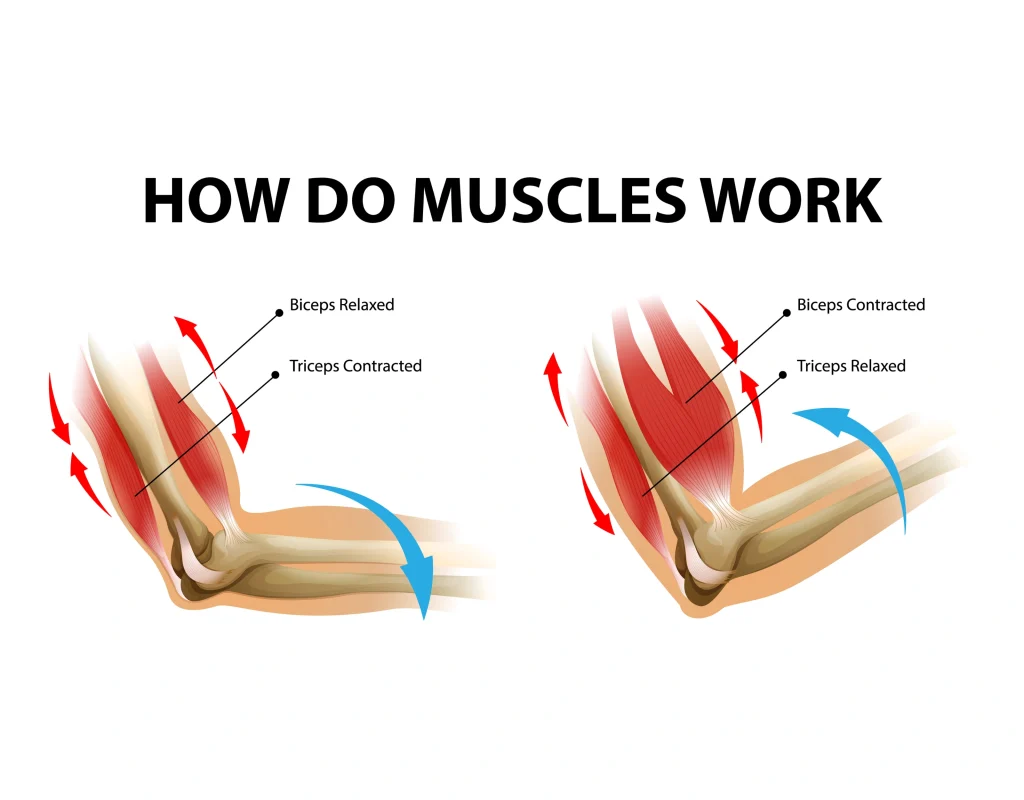
Tight or restricted tissues do not only cause local discomfort. They can also affect how the entire body moves, leading to compensation patterns. This means other muscles begin to overwork to make up for the limitation, which can eventually create new areas of pain.
Releasing these restrictions helps restore balance within the body. It allows muscles to work more efficiently and reduces unnecessary strain on surrounding structures. This is why active release therapy is often used not just for pain relief, but also to improve overall movement quality.
Benefits of Treatment
This treatment method offers a wide range of benefits when performed consistently. It supports both short-term relief and long-term physical improvement. Many patients notice changes not only in how they feel, but also in how they move.
Key benefits include:
- Increased flexibility and joint range of motion
- Reduction in muscle tension and stiffness
- Improved posture and alignment
- Better performance in daily tasks or sports activities
- Faster recovery from soft tissue injuries
These improvements contribute to better overall function and reduced risk of recurring problems.
What Recovery Feels Like
After a session, it is common to feel an immediate improvement in movement or a reduction in tightness. Some patients describe a sense of lightness or ease when performing simple actions. However, mild soreness may occur as the body adjusts to the changes in tissue tension.
With repeated sessions, these improvements become more consistent. Movements that were previously restricted begin to feel smoother and more controlled. Over time, this leads to greater confidence in daily activities and physical performance.
The Role of Movement in Recovery
Treatment alone is not enough to maintain long-term results. Movement plays a crucial role in supporting and reinforcing the changes achieved during therapy. Patients are usually guided on exercises that complement the treatment process.
These may include:
- Stretching exercises to maintain flexibility
- Strengthening exercises to support muscle balance
- Mobility drills to improve joint function
- Postural adjustments for daily habits
Combining therapy with regular movement helps ensure that progress is not lost between sessions.
Why Consistency Matters
Soft tissue problems typically develop over an extended period, so they also require time to resolve. A single session may provide temporary relief, but consistent treatment is necessary for lasting improvement. This allows the body to gradually adapt and restore normal function.
Regular sessions also help prevent the return of tightness. This is why active release therapy is often recommended as part of an ongoing recovery or maintenance plan.
Preventing Future Tightness
Long-term success depends on maintaining healthy movement habits. Without proper care, the same patterns that caused the issue can lead to recurrence. Prevention focuses on improving daily routines and reducing unnecessary strain on the body.
Helpful habits include:
- Taking breaks from prolonged sitting or repetitive tasks
- Maintaining proper posture during work and daily activities
- Performing regular stretching routines
- Staying physically active to keep muscles flexible
These simple steps can significantly reduce the risk of future discomfort.
Final Thoughts
Soft tissue restrictions can have a significant impact on movement, comfort, and overall quality of life. When left untreated, they can lead to further complications and reduced physical performance. Addressing these issues early helps support a smoother and more effective recovery.
Active release therapy provides a focused and practical approach to restoring movement and reducing tension. With consistent care and proper guidance, it helps individuals regain flexibility, improve function, and maintain long-term physical well-being.
CTA
If you are experiencing muscle tightness, stiffness, or limited movement, early treatment can help improve your recovery. Taking action sooner allows the body to respond more effectively and prevents further complications.
Visit MyPro PHYSIO to learn more and receive a personalised active release therapy plan designed to support effective, safe, and lasting recovery.