Healthcare is changing in a very practical way. More people today prefer treatment that comes to them instead of travelling to a clinic, especially when mobility is limited, recovery is ongoing, or convenience becomes important in daily life.
This is where domiciliary physiotherapy becomes relevant. It refers to physiotherapy services delivered at home, where the therapist visits the patient instead of the patient travelling to a clinic.
While the concept sounds simple, many people do not fully understand what actually happens during home based physiotherapy, how it compares to clinic treatment, or when it becomes the better option.
This guide explains how domiciliary care works, what to expect during sessions, and why services like MyPro PHYSIO are becoming an important part of modern recovery in Malaysia.
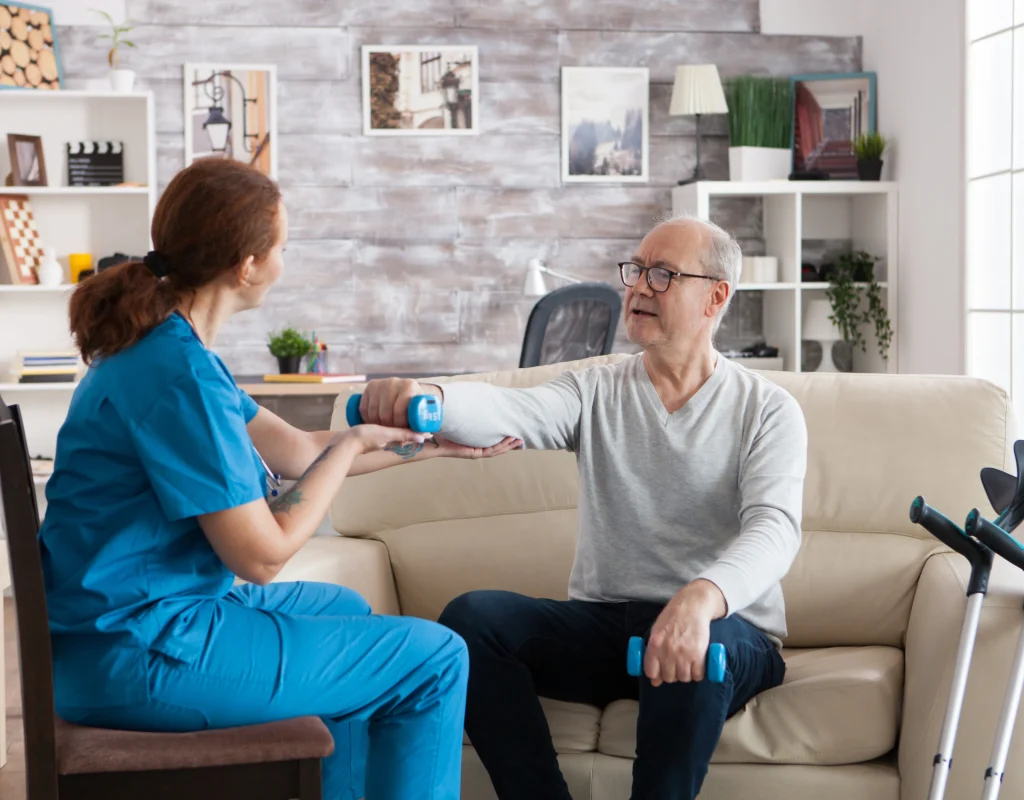
What Domiciliary Physiotherapy Actually Means
The term domiciliary physiotherapy simply refers to physiotherapy treatment provided in a patient’s home environment.
Instead of attending a clinic, the physiotherapist travels to the patient and delivers assessment, treatment, and rehabilitation at home.
This approach is especially useful for individuals who have difficulty moving around or prefer treatment in a familiar setting.
It is commonly used for:
- Post surgery recovery patients
- Elderly individuals with mobility limitations
- Stroke rehabilitation cases
- Chronic pain management at home
- Patients with transportation difficulties
The key idea is simple. The treatment remains the same, but the environment changes.
Why Home Based Physiotherapy Is Becoming More Popular
The demand for home physiotherapy services in Malaysia has increased in recent years due to lifestyle changes and healthcare accessibility needs.
Many patients find it difficult to travel frequently to clinics, especially when pain or mobility restrictions are present. In these cases, home treatment becomes a practical solution.
There are also emotional and psychological benefits. Being treated in a familiar environment often makes patients feel more relaxed and comfortable, which can improve engagement during rehabilitation.
Another important factor is consistency. Patients are more likely to continue therapy when it is convenient and accessible.
What Happens During a Home Physiotherapy Session
A domiciliary session follows a structured approach similar to clinic based treatment, but it is adapted to the home environment.
The first visit usually begins with an assessment of the patient’s condition, medical history, and functional ability.
The physiotherapist evaluates:
- Movement ability in daily activities
- Strength and mobility levels
- Pain patterns and triggers
- Home environment setup
This helps create a personalised treatment plan based on real life conditions rather than clinical assumptions.
Once assessment is complete, treatment begins based on patient needs.
Types of Treatment Provided at Home
One common misconception is that home physiotherapy is limited or less effective. In reality, most core physiotherapy techniques can be performed at home with proper setup.
Treatment may include:
Manual therapy techniques to reduce pain and stiffness
Guided exercise therapy tailored to patient ability
Balance and mobility training for functional improvement
Post surgery rehabilitation programs
Education on posture and movement correction
Each session is adapted depending on the patient’s condition and progress.
How Home Environment Improves Recovery
One of the unique advantages of domiciliary physiotherapy is that treatment happens in the actual environment where the patient lives and moves daily.
This allows the physiotherapist to observe real life challenges such as:
- How the patient sits on their sofa or bed
- Movement patterns in the kitchen or bathroom
- Stair climbing ability
- Walking space limitations at home

This real world observation helps create more practical and effective rehabilitation plans.
Instead of generic exercises, treatment becomes directly relevant to the patient’s daily life.
Who Benefits Most from Home Physiotherapy
Not every patient requires home based care, but certain groups benefit significantly.
These include:
Patients recovering from surgery who have limited mobility
Elderly individuals who find travel physically demanding
Stroke patients requiring long term rehabilitation
Individuals with chronic pain conditions affecting movement
Patients who prefer privacy and comfort during treatment
For these groups, home physiotherapy service malaysia provides both medical and practical advantages.
What Equipment Is Used During Home Sessions
Another common question is whether effective physiotherapy can be done without clinic equipment.
The answer is yes. Most rehabilitation work focuses on movement, control, and function rather than heavy machines.
Physiotherapists usually bring portable equipment such as:
- Resistance bands
- Therapy balls
- Small weights
- Mobility aids if needed
However, the most important tool is clinical assessment and hands on expertise, not machines.
Progression of Treatment at Home
Like clinic based care, home physiotherapy follows a progression model.
Initially, the focus is on reducing pain and improving basic movement. As the patient improves, exercises become more functional and targeted.
Early stage may include:
- Pain reduction techniques
- Gentle assisted movement
- Basic mobility training
Mid stage focuses on:
- Strength building
- Balance improvement
- Functional movement training
Later stage involves:
- Independent exercise routines
- Return to daily activities
- Prevention strategies
This progression ensures recovery is structured and safe.
Challenges of Domiciliary Physiotherapy
While home physiotherapy offers many benefits, there are also limitations that need to be understood.
Some challenges include:
- Limited space for certain exercises
- Lack of specialized clinic equipment
- Dependence on home environment setup
- Need for patient discipline outside sessions
However, experienced physiotherapists are trained to adapt treatment effectively within these limitations.
In most cases, the benefits outweigh the challenges, especially for patients who cannot travel easily.
Role of MyPro PHYSIO in Home Rehabilitation
At MyPro PHYSIO, domiciliary care is designed to provide structured and professional rehabilitation directly at the patient’s home.
Each patient receives a personalised plan based on detailed assessment and functional goals.
The focus is not only on treating pain but also on restoring independence and improving quality of life.
This approach ensures that treatment is practical, consistent, and aligned with real daily movement patterns.
Whether the condition is post surgical recovery, chronic pain, or mobility limitation, care is adjusted based on individual needs.
Why Home Physiotherapy Supports Faster Recovery for Some Patients
Recovery is not only about treatment quality but also about consistency and comfort.
In many cases, patients recover better at home because:
- They feel more relaxed in familiar surroundings
- There is less physical stress from travel
- Exercises are easier to integrate into daily routine
- Family members can support rehabilitation
These factors improve adherence to treatment, which is one of the most important elements of recovery.
When Home Physiotherapy Should Be Considered
It may be time to consider domiciliary physiotherapy when:
- Mobility is limited due to pain or weakness
- Travel to clinic is difficult or tiring
- Recovery requires frequent sessions
- Home based functional training is needed
- Patient comfort and convenience are priorities
Early consideration can prevent delays in recovery and improve long term outcomes.
Final Thoughts on Domiciliary Physiotherapy
Home based rehabilitation is becoming an essential part of modern healthcare. It offers flexibility, comfort, and personalised care that adapts to real life conditions.
Domiciliary physiotherapy is not a reduced version of clinic treatment. It is a different approach that focuses on delivering the same quality of care in a more practical environment.
When done correctly, it can be highly effective for a wide range of conditions, especially when combined with structured planning and professional guidance.
CTA
If you or a family member is struggling with mobility issues, post surgery recovery, or difficulty travelling for treatment, home based care may be the right solution.Visit MyPro PHYSIO to learn more about home physiotherapy service malaysia and receive a personalised domiciliary physiotherapy plan designed to support safe, effective, and convenient recovery at home.