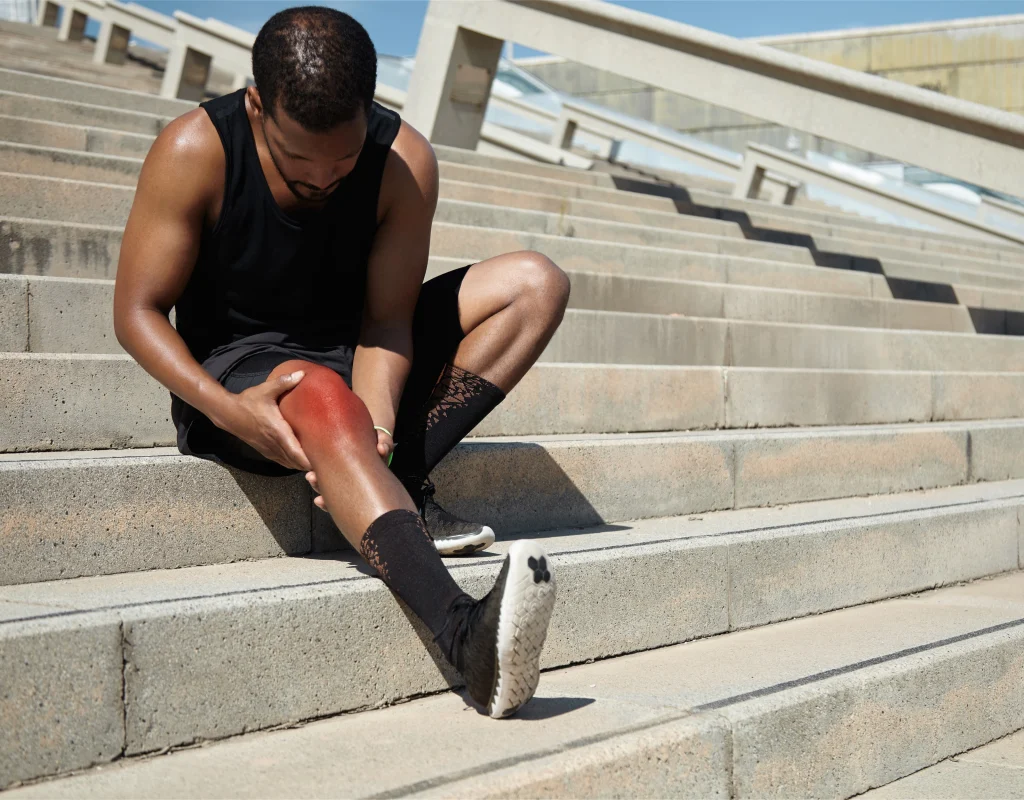
Sports injuries often look simple from the outside. A twisted ankle during a match, a pulled muscle during training, or a sudden strain while running. But what most people do not see is what happens after the injury, when recovery actually begins.
Healing from a sports injury is not just about resting until the pain disappears. It is a structured process that involves restoring movement, rebuilding strength, and preparing the body to return to sport safely. This entire process is known as sports injury rehab, and it is the difference between a quick recovery and a long term problem.
Many athletes underestimate how important proper rehabilitation is. Without it, injuries can easily return or turn into chronic issues that affect performance over time.
What Actually Happens Right After a Sports Injury
Immediately after a sports injury, the body enters a protective phase. Pain, swelling, and reduced movement are common during this stage. This is the body’s natural response to prevent further damage.
At this point, the focus is not on movement or training. It is on protecting the injured area and allowing initial healing to take place. Many people make the mistake of returning to activity too early, which can worsen the injury.
Early management often includes rest, controlled movement, and sometimes support like bandaging or bracing. This helps reduce stress on the injured area while the tissues begin to heal.
This early stage is the foundation of sports injury rehab, even though it may feel like nothing active is happening yet.
Why Rest Alone Is Not Enough for Recovery
Rest is important after a sports injury, but it is not the full solution. While rest allows tissues to heal, too much rest can lead to stiffness, weakness, and reduced performance.
Muscles begin to lose strength quickly when they are not used. Joints can also become stiff, making movement more difficult later. This is why structured rehabilitation is needed even during the early recovery phase.
The goal is to find a balance between protection and controlled movement. Complete inactivity is rarely the best approach for sports related injuries.This is where sports injury rehab becomes essential because it ensures recovery is active, not passive.
The Early Rehabilitation Phase: Restoring Movement
Once the initial pain and swelling begin to reduce, rehabilitation shifts into a more active phase. This is where movement is slowly reintroduced in a controlled and safe way.
At this stage, the focus is on restoring basic mobility without stressing the injured area. Movements are usually gentle and guided by a physiotherapist.
Typical early rehabilitation may include:
- Gentle range of motion exercises
- Light stretching within comfort limits
- Assisted movement to reduce stiffness
- Basic activation of surrounding muscles
These exercises are not intense, but they are important for preventing long term stiffness and weakness.
Why Controlled Movement Is Important in Recovery
Many athletes feel unsure about moving an injured area. There is often fear that movement will worsen the injury. However, controlled movement is actually a key part of recovery.
When done correctly, movement helps increase blood flow to the injured area. This supports healing and reduces stiffness. It also helps the body maintain coordination and function during recovery.
Without movement, recovery can become slower and less effective. This is why early guided rehabilitation is important for long term results.
Rebuilding Strength and Stability
As healing progresses, rehabilitation becomes more structured and challenging. This is the phase where strength training and stability work are introduced.
The goal is to restore the ability of muscles and joints to support movement under load. This is especially important for athletes who need to return to high performance activity.
At this stage, sports injury rehab focuses on rebuilding not just strength, but also control and coordination.
Training may include:
- Progressive resistance exercises
- Balance and stability training
- Functional movement drills
- Sport specific movement preparation
This phase is crucial because it prepares the body for real sports demands again.
Why Strength Alone Is Not Enough for Return to Sport
A common mistake in recovery is focusing only on strength. While strength is important, it is not the only requirement for returning to sport.
Athletes also need balance, coordination, speed, and movement control. Without these, the risk of re injury increases significantly.
For example, an athlete may regain full strength in a leg but still lack stability during sudden direction changes. This is where injuries often return.
That is why proper rehabilitation focuses on full movement quality, not just muscle strength.
The Role of Physiotherapy in Sports RecoveryPhysiotherapy is a core part of sports injury rehab. It provides structure and progression throughout the recovery process.
A physiotherapist monitors healing, adjusts exercises, and ensures that recovery is progressing safely. They also identify movement problems that could lead to future injuries.
Physiotherapy helps athletes:
- Recover safely without rushing
- Restore full movement patterns
- Prevent re injury
- Return to sport with confidence
Without proper guidance, athletes often return too early or without full recovery, which increases the risk of setbacks.
Returning to Sport: The Final Phase of Recovery
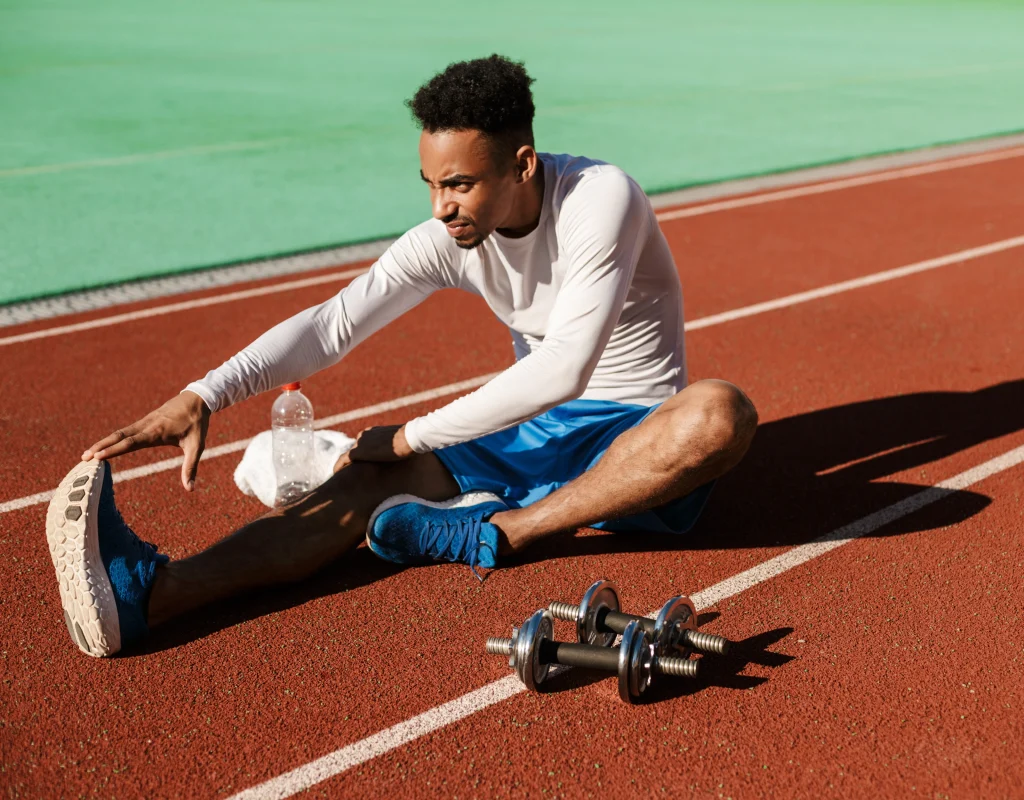
Returning to sport is not a single moment. It is a gradual process that happens in stages.
Even when pain is gone, the body still needs time to adapt to sport specific demands. This includes running, jumping, sudden changes in direction, and contact movements depending on the sport.
Before full return, athletes usually go through:
- Sport specific drills
- Gradual intensity training
- Controlled practice sessions
- Performance testing
This ensures the body is fully prepared before returning to competition or full training.
Why Some Injuries Take Longer to Fully Recover
Not all sports injuries heal at the same speed. Some recover quickly, while others take longer depending on severity and location.
Ligament injuries, for example, often take longer because they require more time to regain full stability. Muscle injuries may recover faster but still require careful rehabilitation.
Other factors that affect recovery include:
- Severity of injury
- Quality of rehabilitation
- Consistency of exercises
- Overall fitness level
Recovery is not just about time. It is about how well rehabilitation is done throughout the process.
How Home Based Rehabilitation Supports Recovery
Not all athletes need to stay in a clinic for rehabilitation. Many benefit from structured home-based care.
This is where home physiotherapy services in Malaysia become useful. It allows athletes to continue rehabilitation in their own environment while still receiving professional guidance.
Home-based rehabilitation is especially helpful during early recovery stages or when mobility is limited. It also allows exercises to be more practical and integrated into daily movement.
This approach makes it easier for patients to stay consistent with their recovery plan.
Common Mistakes During Sports Injury Recovery
Many athletes make mistakes during recovery that slow progress or increase the risk of re-injury.
Some common mistakes include:
- Returning to sport too early
- Skipping rehabilitation exercises
- Ignoring mild pain during activity
- Not following structured progression
These mistakes often lead to recurring injuries or longer recovery times.
Proper guidance helps avoid these issues and ensures recovery is done safely.
How MyPro PHYSIO Supports Sports Injury Recovery
At MyPro PHYSIO, sports injury recovery is managed through structured rehabilitation programs designed for each individual.
Every patient begins with a detailed assessment to understand the injury, movement limitations, and recovery goals. From there, a personalised plan is created to guide each stage of recovery.The approach to sports injury rehab focuses on safe progression, movement restoration, and long term performance recovery.
Patients can also access home physiotherapy services in Malaysia, allowing them to continue structured rehabilitation in a more convenient and comfortable setting.
Final Thoughts
Sports injuries are not just about healing quickly. They are about recovering properly so the injury does not return.
Sports injury rehab is a structured process that takes the body from injury to full performance step by step. It focuses on movement, strength, control, and long term stability.
Recovery takes time, but when done correctly, athletes often return stronger, more aware, and more prepared than before.
CTA
If you are recovering from a sports injury or dealing with recurring pain, early rehabilitation can make a major difference in your recovery outcome.
Visit MyPro PHYSIO to learn more about home physiotherapy services in Malaysia and get a personalised sports injury rehab plan designed to support safe, structured, and effective recovery.