Healthcare is no longer limited to hospitals and clinics. More patients today prefer treatment that fits into their lifestyle instead of requiring constant travel. This shift has led to the rise of mobile physiotherapy, where professional physiotherapy care is delivered directly to patients wherever they are.
This approach is especially useful for individuals who have difficulty moving, are recovering from injury or surgery, or simply prefer treatment in a more comfortable environment. Instead of the patient going to the clinic, the physiotherapist comes to the patient. This simple change has made rehabilitation more accessible and practical for many people.
Understanding how mobile physiotherapy works helps patients make better decisions about their recovery. It is not just a convenience service but a structured and effective form of rehabilitation that supports real recovery outcomes.
What Mobile Physiotherapy Actually Means
Mobile physiotherapy refers to physiotherapy services delivered outside of a clinical setting, usually in a patient’s home. The physiotherapist travels to the patient and provides assessment, treatment, and rehabilitation in a familiar environment. This allows patients to receive professional care without needing to travel or wait in a clinic.
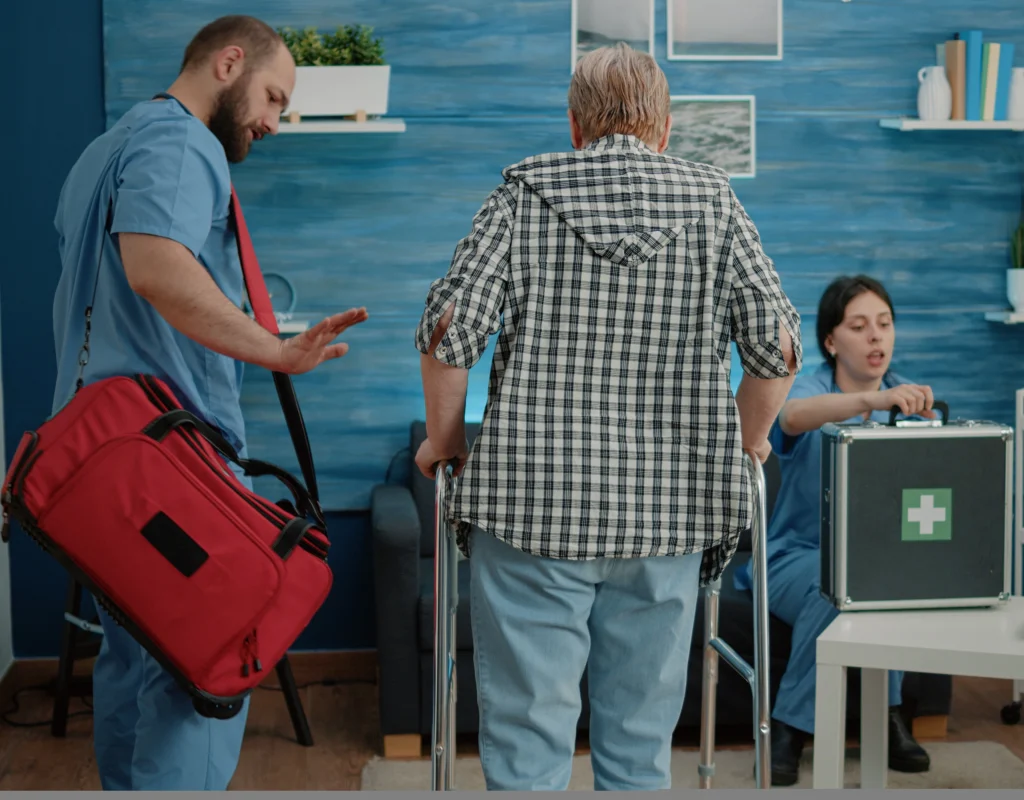
The treatment itself is not different from clinic-based physiotherapy. The same principles of assessment, movement correction, and rehabilitation are applied. The only difference is the setting where treatment takes place. This makes it a flexible option for patients with mobility challenges or time constraints.
It is commonly used in home physiotherapy services in Malaysia, where patients prefer structured rehabilitation at home. This approach ensures that care is both accessible and consistent, especially for long-term recovery needs.
Why Mobile Physiotherapy Is Becoming More Popular
The demand for mobile physiotherapy has grown significantly in recent years. One of the main reasons is convenience. Many patients find it difficult to travel regularly to clinics, especially when dealing with pain, weakness, or post surgery recovery. Having treatment at home removes this barrier completely.
Another important reason is comfort. Being treated in a familiar environment helps patients feel more relaxed during therapy sessions. This can improve engagement and make rehabilitation feel less stressful. Family members can also be more involved in the recovery process when treatment happens at home.
In addition, consistency plays a big role in recovery. Patients are more likely to continue therapy when it is easier to access. This improves long term outcomes and reduces the risk of incomplete rehabilitation.
What Happens During a Mobile Physiotherapy Session
A mobile physiotherapy session follows a structured process similar to clinic based treatment. The first session usually begins with a detailed assessment of the patient’s condition. The physiotherapist evaluates pain levels, movement ability, and functional limitations in daily activities.
Unlike a clinic setting, the home environment provides additional insights. The physiotherapist can observe how the patient moves in real life situations such as sitting, standing, or walking around the house. This helps identify problems that may not be visible in a clinical environment.
Once assessment is completed, a personalised treatment plan is created. This plan is designed based on the patient’s condition, recovery stage, and home environment.
Types of Treatment Provided at Home
Many people assume that home based physiotherapy is limited, but in reality, most standard physiotherapy techniques can be delivered effectively at home. Treatment is adapted based on available space and patient condition.
In mobile physiotherapy, treatment may include manual therapy to reduce pain and stiffness. Gentle mobilisation techniques are often used to improve joint movement and muscle flexibility. These techniques help prepare the body for more active rehabilitation.
Exercise therapy is also a key part of treatment. Patients are guided through specific exercises designed to improve strength, balance, and movement control. These exercises are usually simple at first and become more advanced as recovery progresses.
How the Home Environment Supports Better Recovery
One of the biggest advantages of mobile physiotherapy is that treatment happens in the patient’s actual living environment. This makes rehabilitation more practical and relevant to daily life.
The physiotherapist can identify challenges that patients face at home, such as difficulty getting up from a specific chair, using stairs, or moving in tight spaces. These real life observations help create more effective treatment plans.
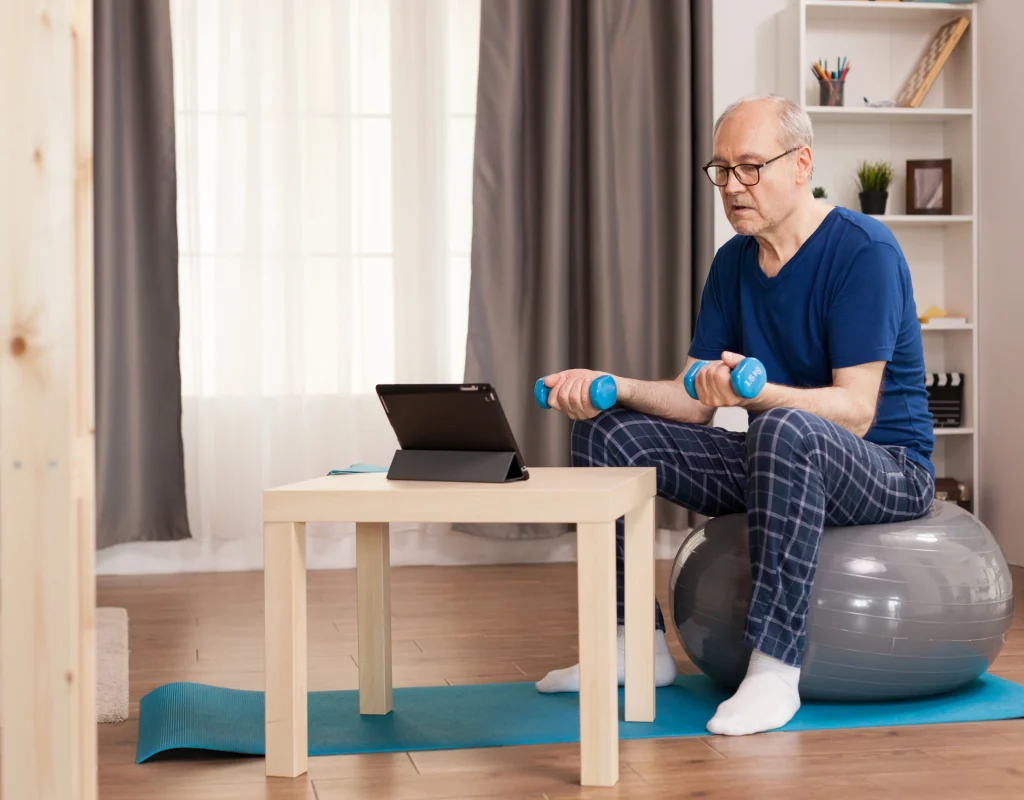
Exercises can also be tailored to the home environment. This makes it easier for patients to continue rehabilitation between sessions. It also improves consistency because patients can practice in the same space where they live daily.
Who Benefits Most from Mobile Physiotherapy
Not all patients require mobile care, but certain groups benefit greatly from it. Patients recovering from surgery often find it difficult to travel during early stages of recovery. Mobile physiotherapy allows them to continue rehabilitation safely at home.
Elderly individuals with reduced mobility also benefit from this approach. It reduces the physical strain of travelling while ensuring they still receive professional care. Patients with chronic pain conditions may also find home based treatment more manageable.
This is why home physiotherapy service Malaysia is becoming a preferred option for many families who want structured recovery without the stress of clinic visits.
Equipment Used in Mobile Physiotherapy
A common misconception is that mobile physiotherapy is limited because of lack of equipment. In reality, most rehabilitation does not rely on large machines. Instead, it focuses on movement, control, and functional training.
Physiotherapists usually bring portable equipment such as resistance bands, small weights, and therapy tools. These are enough to support a full rehabilitation program in most cases. However, the most important tool remains the physiotherapist’s assessment and clinical skills.
The focus is always on functional recovery rather than equipment based training. This ensures that treatment remains effective even in a home environment.
How Recovery Progresses With Mobile Physiotherapy
Recovery with mobile physiotherapy follows a structured progression similar to clinic based rehabilitation. In the early stages, the focus is on reducing pain and improving basic movement. Patients may require assistance with simple mobility tasks during this phase.
As recovery progresses, treatment becomes more active. Strength building and movement training are introduced gradually. Patients begin to regain confidence in their physical abilities and start performing daily activities more independently.
In later stages, rehabilitation focuses on functional movement and long term maintenance. Patients are guided on how to continue exercises independently to prevent future issues.
Challenges of Mobile Physiotherapy
While mobile physiotherapy offers many benefits, there are also some limitations. Space can sometimes be restricted depending on the home environment. This may limit certain types of exercises or movements.
Another challenge is that patients must be more disciplined with home based practice. Since treatment is not happening in a clinic, consistency depends more on patient commitment. However, experienced physiotherapists help guide patients to stay on track.
Despite these limitations, most patients still achieve strong recovery outcomes when treatment is properly structured and followed.
Role of MyPro PHYSIO in Mobile Rehabilitation
At MyPro PHYSIO, it is designed as a structured rehabilitation service rather than just convenience based care. Each patient begins with a detailed assessment to understand their condition and recovery goals.
From there, a personalised treatment plan is created that evolves with recovery progress. The focus is not only on pain relief but also on restoring movement, strength, and independence.
The approach to mobile physiotherapy is integrated into broader home physiotherapy service malaysia, ensuring patients receive consistent and professional care regardless of location.
Why Mobile Physiotherapy Supports Better Consistency
One of the most important factors in recovery is consistency. Many patients struggle to attend regular clinic sessions due to time, transport, or physical limitations.
When treatment is easier to access, patients are more likely to continue rehabilitation regularly. This leads to better progress and improved long term outcomes. Consistency also helps prevent setbacks and maintains recovery momentum.
Final Thoughts
Mobile physiotherapy has changed the way rehabilitation is delivered. It provides a practical, accessible, and effective solution for patients who need structured recovery without the challenges of travelling to a clinic.
Not just about convenience. It is about making professional care more accessible and relevant to real life situations. When done properly, it supports safe and effective recovery across a wide range of conditions.
CTA
If you are recovering from injury, surgery, or dealing with mobility issues, it may be the right option for you. Visit MyPro PHYSIO to learn more about home physiotherapy services in Malaysia and receive a personalised mobile physiotherapy plan designed to support safe, structured, and effective recovery at home.