A stroke is one of the most life changing medical conditions a person can experience. It often happens suddenly, leaving patients and families overwhelmed by uncertainty about what comes next. While emergency treatment focuses on stabilising the condition, the real journey begins after that phase ends.
Recovery after stroke is not automatic. The brain and body need time, guidance, and structured support to regain function. This is where stroke rehabilitation physiotherapy plays a critical role in helping patients rebuild movement, independence, and confidence step by step.
Many people assume recovery is only about time, but in reality, the quality of rehabilitation determines long term outcomes. With the right support, patients can significantly improve their ability to move and perform daily activities again.
What Actually Happens in the Body After a Stroke
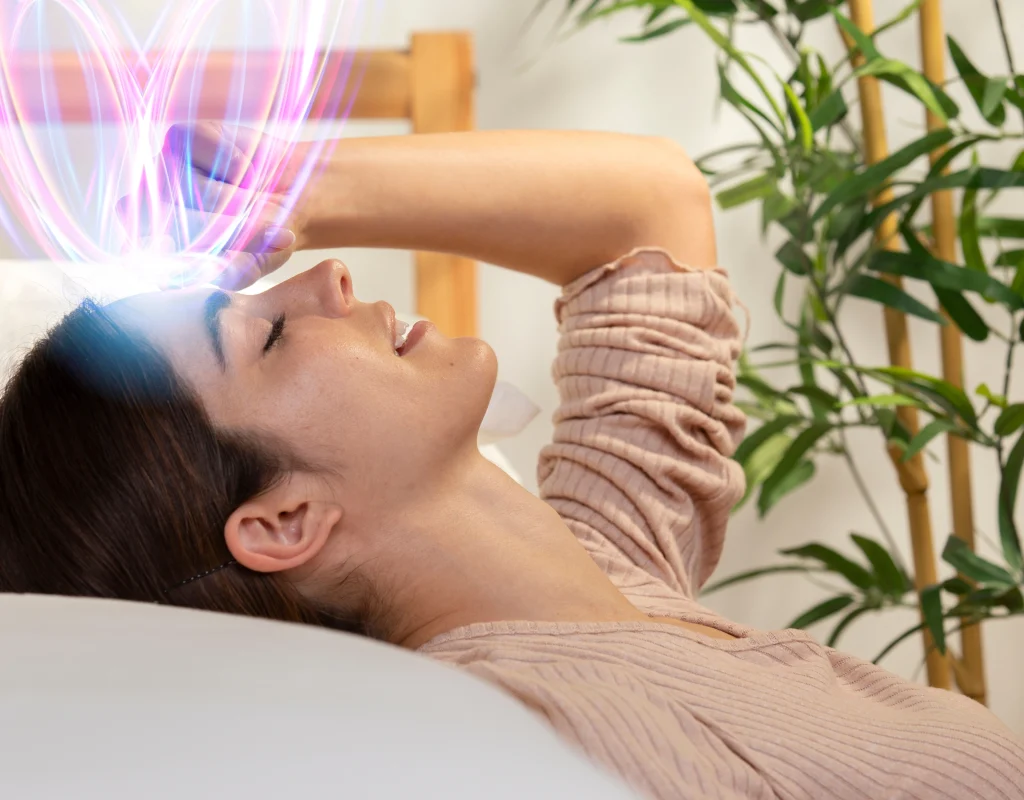
A stroke occurs when blood flow to part of the brain is interrupted. This causes brain cells to be damaged or die due to lack of oxygen. Depending on which part of the brain is affected, different physical and cognitive functions may be impacted.
Some patients experience weakness on one side of the body, while others may have difficulty with balance, speech, or coordination. The severity varies widely from person to person.
After the initial medical treatment, the brain begins a process called neuroplasticity. This is the body’s ability to reorganise and form new connections to compensate for lost function. This natural process becomes the foundation of recovery in stroke rehabilitation physiotherapy.
Why Early Rehabilitation Is So Important
The first few weeks after a stroke are extremely important for recovery. During this period, the brain is most responsive to retraining and adaptation. Early rehabilitation helps activate affected muscles and prevents long term complications.
Without early movement and guidance, patients may develop stiffness, muscle tightness, or joint restrictions. These issues can make recovery more difficult over time.
Early rehabilitation focuses on gentle movement, positioning, and basic functional activities. The goal is not intensity but activation and prevention of secondary complications.
What Happens During the First Stage of Physiotherapy
In the early stage of recovery, patients often have limited movement and may require assistance. Physiotherapy begins with very basic interventions designed to maintain joint flexibility and prevent muscle tightness.
The physiotherapist carefully assesses the patient’s ability to move, sit, and maintain balance. Based on this, a personalised plan is created to suit their condition.
Early rehabilitation may include:
- Assisted limb movements
- Gentle stretching exercises
- Positioning techniques to prevent stiffness
- Breathing and circulation exercises
These early steps form the foundation of structured care in stroke rehabilitation physiotherapy.
Regaining Basic Movement and Control
As the patient progresses, rehabilitation becomes more active. The focus shifts from preventing complications to restoring basic movement.
At this stage, patients begin to relearn simple actions such as sitting upright, standing with support, and initiating limb movement. These movements may feel difficult at first, but they are essential for rebuilding independence.
This phase of stroke rehabilitation physiotherapy is often slow but extremely important. Every small improvement contributes to long term recovery and functional ability.
Why Repetition Is Key in Stroke Recovery
Recovery after stroke is heavily dependent on repetition. The brain needs consistent practice to form new pathways and strengthen motor control. Without repetition, progress can be slow or incomplete.
Therapists guide patients through structured repetition of movements to help retrain the brain. This process encourages neuroplasticity and improves coordination over time.
Common repetitive training includes:
- Repeated sit-to-stand practice
- Arm and leg movement drills
- Assisted walking practice
- Balance training exercises
Consistency is what transforms small improvements into meaningful recovery.
Relearning Balance and Coordination
One of the biggest challenges after a stroke is loss of balance and coordination. Many patients feel unstable when trying to stand or walk because both sides of the body need to be retrained.
Balance training becomes a major part of rehabilitation at this stage. Exercises focus on improving stability, weight shifting, and posture control.
This is a key component of stroke rehabilitation physiotherapy, as regaining balance is essential for safe mobility and independence.
How Physiotherapy Helps Restore Walking Ability
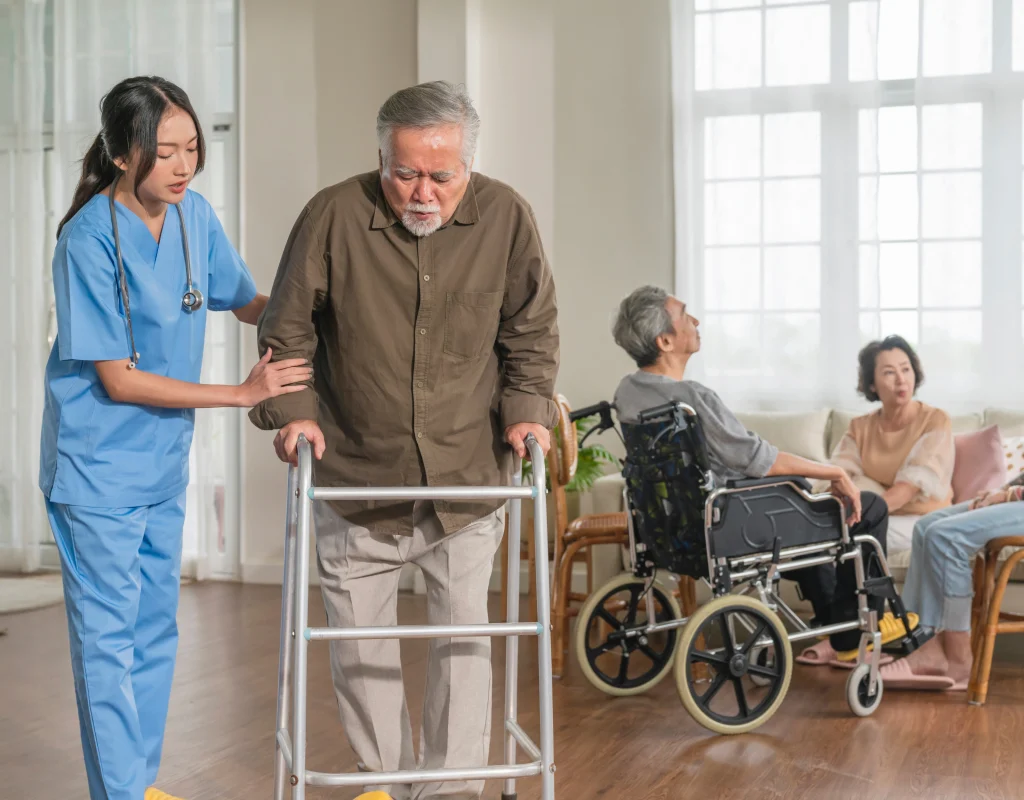
Walking is one of the most important goals in stroke recovery. Many patients struggle due to weakness, stiffness, or poor coordination.
Physiotherapy helps retrain walking patterns through structured progression. This may start with assisted standing, followed by supported walking, and eventually independent movement.
Training may include:
- Parallel bar walking
- Weight shifting exercises
- Step training
- Gait correction techniques
A structured rehabilitation approach ensures walking recovery is safe, gradual, and effective.
Upper Limb Recovery and Daily Function
Recovery is not only about walking. Many stroke patients also experience difficulty using their arms and hands, which affects daily activities such as eating, dressing, and holding objects.
Rehabilitation includes targeted exercises to improve upper limb strength and coordination. These exercises focus on fine motor control and functional use of the affected hand.
Relearning these skills takes time, but consistent practice leads to gradual improvement in independence.
The Emotional Side of Stroke Recovery
Stroke recovery is not only physical but also emotional. Many patients experience frustration, anxiety, or discouragement due to slow progress.
These emotional responses are normal during recovery. Progress often feels gradual, especially in the early stages, which can be mentally challenging.
Support from therapists and family plays an important role in maintaining motivation throughout the rehabilitation journey.
Long Term Rehabilitation and Independence
As recovery progresses, the focus shifts from basic movement to independence in daily life. Patients begin to perform more complex tasks such as walking longer distances, climbing stairs, and managing household activities.
At this stage, rehabilitation focuses on strength, endurance, and functional independence. Exercises become more challenging and closely related to real-life activities.
The goal is not just movement recovery but restoring meaningful participation in daily life.
Why Recovery Does Not Follow a Straight Timeline
Stroke recovery varies greatly between individuals. Some patients recover quickly, while others take months or years depending on severity, health status, and consistency of rehabilitation.
Progress is often non-linear. Some days may feel better than others, which is a normal part of recovery.
What matters most is consistency rather than speed. Continuous rehabilitation leads to better long-term outcomes.
Home-Based Stroke Rehabilitation Support
Many stroke patients benefit from rehabilitation at home, especially in early stages of recovery. Home-based care allows therapy to be delivered in a familiar and comfortable environment.
It also allows therapists to assess real-life movement challenges within the patient’s daily surroundings. This makes rehabilitation more practical and realistic.
This approach improves consistency and accessibility for patients with limited mobility or transportation difficulties.
How MyPro PHYSIO Supports Stroke Recovery
At MyPro PHYSIO, stroke rehabilitation is managed through structured and personalised care plans. Each patient undergoes a detailed assessment to determine movement ability, limitations, and recovery goals.
From there, a tailored rehabilitation program is created to guide recovery step by step. The focus is on safe progression, functional improvement, and long-term independence.
The approach to stroke rehabilitation physiotherapy is designed to support both clinical recovery and real-life function improvement.
Final Thoughts
Stroke recovery is a long and structured process that requires patience, consistency, and professional guidance. It is not only about regaining movement but also rebuilding independence and confidence in daily life.
Stroke rehabilitation physiotherapy plays a central role in helping patients retrain the brain and body through guided movement and repetition. With the right support, recovery can lead to meaningful improvements in quality of life.
CTA
If you or your loved one is recovering from a stroke, early rehabilitation can make a significant difference in long-term outcomes.
Visit MyPro PHYSIO to learn more about rehabilitation options and receive a personalised stroke rehabilitation physiotherapy plan designed to support safe and structured recovery.