Most people assume that surgery is the hardest part of recovery. Once the operation is completed, there is often an expectation that the body will quickly return to normal. However, real recovery does not work that way in most cases. Surgery fixes the structural problem, but the body still needs time to heal and rebuild function.
What follows after surgery is just as important as the procedure itself. The recovery process involves gradually restoring movement, strength, and control. This is where surgical rehabilitation becomes essential. It ensures that healing happens in a structured and safe way instead of rushing the body too quickly.
Recovery Does Not Start With Movement, It Starts With Healing
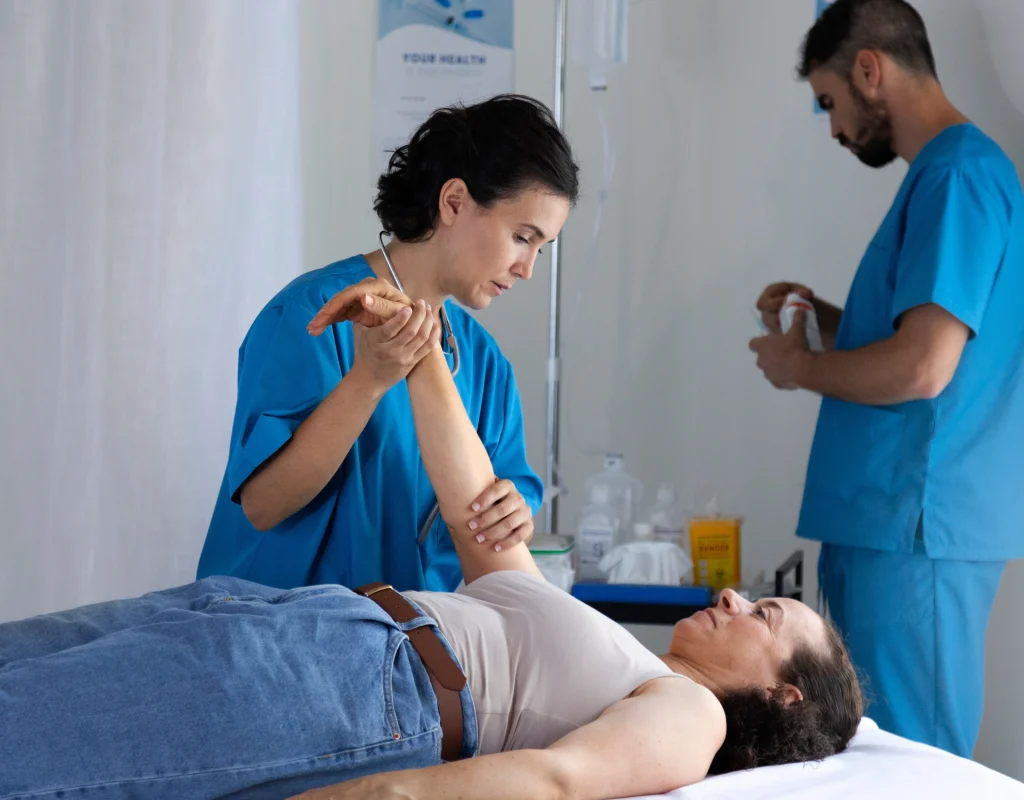
Immediately after surgery, the body enters a protective healing phase. During this time, the main focus is not movement but recovery of tissues and reduction of inflammation. Pain, swelling, and fatigue are very common during this stage. Many patients feel that they should be doing more, but the body actually needs rest at this point.
Even though movement is limited, some controlled activity may still be introduced depending on the surgery type. This could include simple breathing exercises, assisted movement, or very short walking sessions. These early steps are carefully monitored to avoid strain on the surgical area. This is the foundation of surgical rehabilitation, where recovery begins in a very controlled manner.
The Early Transition Phase of Recovery
As the body starts healing, there is a gradual shift from protection to gentle movement. Pain usually begins to reduce, but stiffness becomes more noticeable. This is a normal part of recovery and does not mean something is wrong. It simply reflects that the body has been inactive for a period of time.
At this stage, rehabilitation becomes slightly more active but still controlled. Patients may start gentle mobility exercises and assisted movements to encourage circulation and prevent stiffness. These movements are not intense but are important for reactivating the body. This phase helps prepare the body for more structured surgical rehabilitation in the next stages.
Why Stiffness Is a Normal Part of Recovery
Stiffness is one of the most common experiences after surgery, and it often worries patients. However, it is actually a natural response from the body after a period of reduced movement. Muscles become tight, and joints lose flexibility temporarily due to inactivity. The body also protects the surgical area, which adds to the feeling of restriction.
This stiffness does not mean damage or failure in recovery. Instead, it shows that the body is adjusting after surgery. With proper guided movement, this stiffness gradually reduces over time. Controlled rehabilitation helps restore normal flexibility without stressing healing tissues.
Rebuilding Strength and Movement Control
Once healing stabilises, recovery moves into a more active phase. This is when patients usually start noticing clearer improvements in their movement and comfort. Pain becomes less frequent, and daily activities start to feel easier again. However, this does not mean recovery is complete at this stage.
Now the focus shifts toward rebuilding strength and stability. Muscles that became weak during recovery need to be retrained gradually. Movement control also needs to be restored so the body can function efficiently again. This is a key stage of surgical rehabilitation, where long term recovery is developed step by step.
Why Recovery Should Not Be Rushed
A common mistake during recovery is trying to return to normal activity too quickly. Once pain reduces, patients often feel ready to do more. However, the body may still be in the rebuilding phase even if symptoms are improving. Strength and stability take longer to recover than pain itself.
Rushing recovery can lead to setbacks such as irritation, strain, or delayed healing. This is why progression must always be gradual and controlled. Proper rehabilitation focuses on long term recovery rather than short term speed. The goal is not just to feel better, but to move correctly and safely again.
The Importance of Movement Quality
During recovery, it is not only about how much you move but how well you move. After surgery, the body may develop compensation patterns where certain muscles take over while others remain weak. If these patterns are not corrected, they can create imbalance over time.
This is why physiotherapy plays such an important role in recovery. It ensures that movement is not just restored but also corrected. Good surgical rehabilitation focuses on quality of movement so that the body functions properly in the long term. This reduces the risk of future problems or recurring pain.
The Role of Physiotherapy in Recovery
Physiotherapy is a key part of post surgery recovery. A physiotherapist guides patients through each stage of healing to ensure safe and effective progress. They monitor recovery, adjust exercises, and prevent complications such as stiffness or muscle weakness. Without proper guidance, recovery can become inconsistent or slow.
Physiotherapy also ensures that exercises are suitable for each stage of healing. This prevents overloading the surgical area while still encouraging progress. It helps patients regain confidence in movement and return to daily activities safely. Professional support is essential for structured recovery.
Recovering at Home with Physiotherapy Support
Not all recovery needs to happen in a clinic or hospital setting. Many patients benefit from treatment in their own home environment. This is where home physiotherapy services in Malaysia become very useful. It allows patients to receive professional care without the stress of travelling.
Home based rehabilitation also makes treatment more practical. Patients can perform exercises in the same environment where they do their daily activities. This helps improve functional recovery and makes exercises easier to follow. It is especially helpful for patients with limited mobility or early stage recovery needs.
How Recovery Progress Feels Over Time
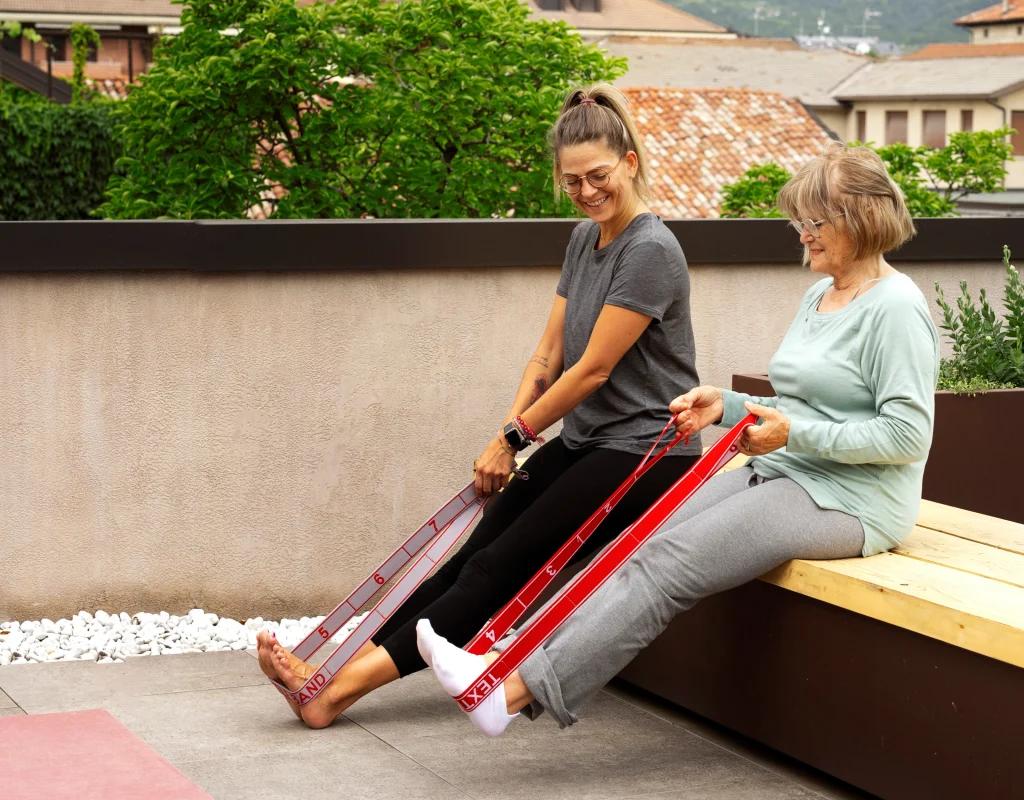
Recovery after surgery does not happen in a straight line. Some days feel better than others, and progress may not always be consistent. In the early stages, fatigue and limited movement are common. As recovery continues, strength slowly returns and pain decreases.
Later stages feel more stable as patients regain confidence in movement. Daily activities become easier, and independence improves. However, continued rehabilitation is still important during this phase. The body is still adapting even when symptoms have improved.
Long Term Recovery and Prevention
Once basic function returns, the focus shifts to long term recovery. This stage is about maintaining strength, mobility, and stability. Patients are encouraged to continue exercises and maintain healthy movement habits. This helps prevent future injuries or complications.
This phase is just as important as early recovery. Healing alone is not enough if the body is not strong enough to handle daily stress. Long term maintenance ensures that recovery results are stable and lasting. It also supports overall physical health and movement quality.
How MyPro PHYSIO Supports Recovery
At MyPro PHYSIO, post surgery recovery is managed through structured rehabilitation programs tailored to each patient. Every case begins with a detailed assessment to understand the surgery, condition, and recovery goals. From there, a personalised plan is created to guide the recovery process step by step.
The approach to surgical rehabilitation focuses on safe progression, functional recovery, and long term improvement. Patients can also receive support through home physiotherapy service malaysia, making recovery more accessible and consistent. This combination of clinical and home based care helps improve overall outcomes.
Final Thoughts
Surgery is only the beginning of recovery, not the end. What happens after surgery is what truly determines long term success. The body needs time to heal, rebuild, and relearn proper movement patterns. This is why structured rehabilitation is so important.
Surgical rehabilitation ensures that recovery is not rushed but done correctly. It focuses on restoring strength, movement, and stability step by step. With the right guidance, recovery becomes more predictable and effective over time.
CTA
If you are recovering from surgery or preparing for post operative care, early rehabilitation can make a major difference in your outcome.
Visit MyPro PHYSIO to learn more about home physiotherapy service malaysia and receive a personalised surgical rehabilitation plan designed to support safe, structured, and effective recovery at home or in clinic.